Common Carrier and Fulfillment House Licensing
A shipment that leaves a licensed seller can still be unlawful by the time it arrives. Two other businesses usually touch it, each is licensed in its own right, and each has obligations that the seller cannot perform on its behalf.
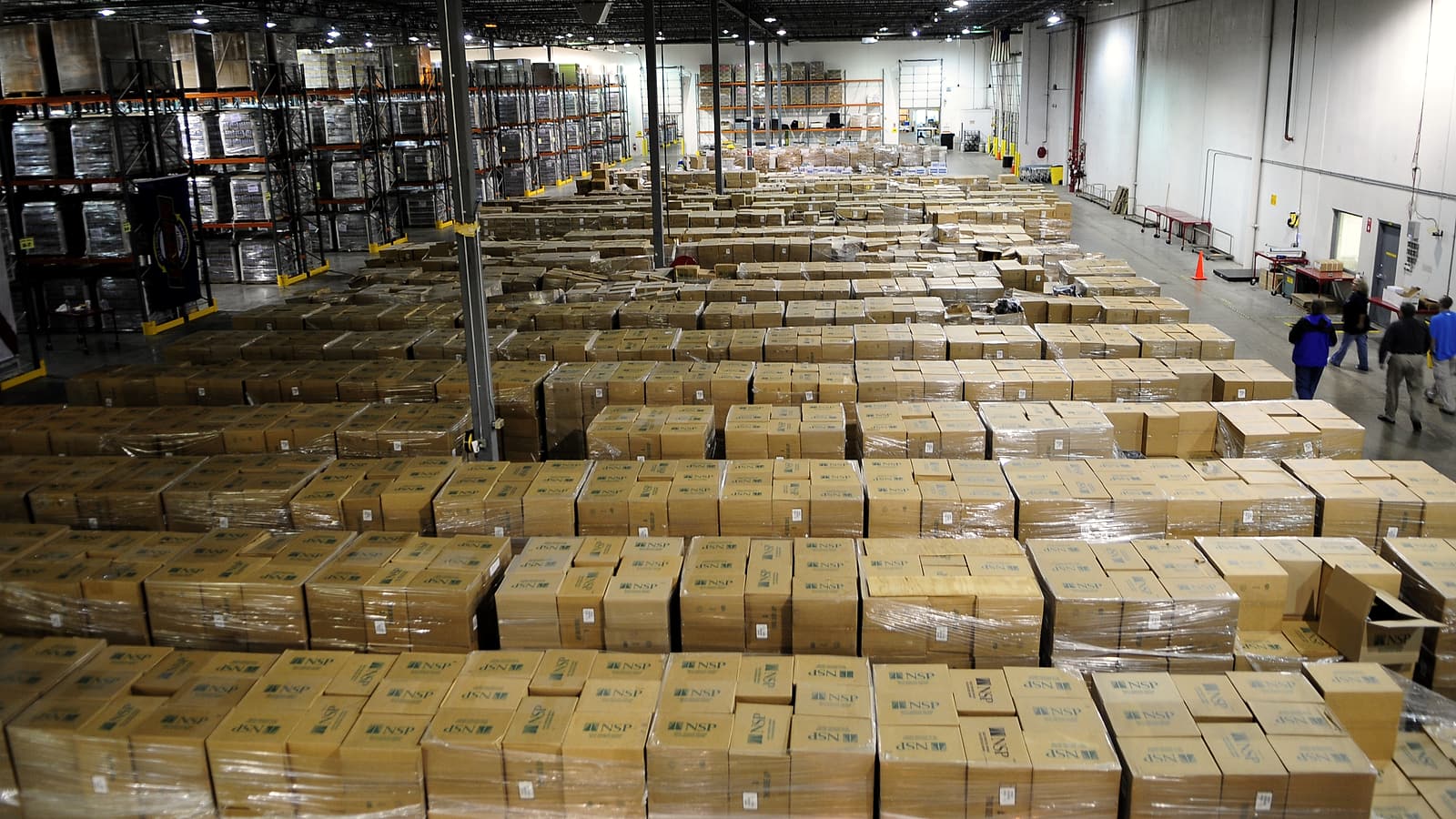
The rule in short
States that permit direct shipment generally license the carrier that delivers the package and, in many states, the fulfillment house that stores, packs and ships it for the seller. Carrier obligations commonly include accepting shipments only from permitted shippers, obtaining an adult signature on delivery, and reporting deliveries to the state. Fulfillment houses are commonly required to verify the shipper's permit, keep records by shipper and report the volume handled.
A direct shipment usually passes through three businesses. The seller takes the order. A fulfillment operation stores the product, picks it and packs it. A carrier moves it and hands it over at the door. Each of the three is separately regulated by the destination state, and the seller's permit does not extend to the other two.
The parties in the chain
The seller is the licensed producer or retailer that made the sale and holds the direct shipper permit described in the permit requirements and volume limits for interstate shipments. It is responsible for the sale itself: the customer's age, the household volume cap, the tax collected and the shipment report.
A fulfillment house is a warehouse and packing operation working on behalf of sellers. It holds product that belongs to the seller, assembles orders, applies labels and tenders packages to a carrier. Because it never buys the product, it is providing a service rather than participating in the sale, which is what keeps it outside the wholesale tier.
The carrier is the delivering business. Its obligations begin when it accepts the package and end when it obtains a signature. In most permitting states the carrier is the party that actually verifies the age of the person receiving the shipment, which makes it the last and most consequential link.
What a carrier must hold and do
Carriers delivering beverage alcohol generally require an approval or license from the destination state, separate from any general transport authority. The conditions are recognizable across jurisdictions: accept shipments only from sellers holding the appropriate permit, deliver only to an address the state permits, obtain the signature of an adult, and check identification where the recipient appears to be under a stated age.
Reporting is common. Carriers are frequently required to file periodic reports of deliveries made into the state, identifying the shipper, the delivery address and the number of packages. That reporting is what allows a state to cross-check a seller's own filings, and mismatches between the two are a routine trigger for inquiry.
Carriers also impose contractual requirements of their own. The major parcel networks operate alcohol shipping programs requiring an approved account, prescribed packaging and a service label identifying the contents. A seller that satisfies every legal condition but not the carrier's program conditions will find its packages refused at intake.
Sellers frequently assume that appointing a fulfillment house and an approved carrier transfers responsibility for compliance. It does not. The permit is held by the seller, the volume cap is measured against the seller's sales, and the shipment report is the seller's filing. Where a fulfillment house ships to a state the seller is not permitted in, or a carrier leaves a package without a signature, the seller's permit is among the things at risk. Contractual indemnities do not restore a suspended permit.
Warehousing and packing for someone else
A growing number of states license fulfillment houses directly. The typical license requires the operation to identify the states it ships into, to verify that each seller it works for holds a valid permit for the destination, and to refuse to handle product for a seller that does not. Some states require the fulfillment house to be licensed in the state where it operates as well as in the destination state.
Recordkeeping duties are specific. A licensed fulfillment house is generally required to maintain records by shipper, showing product received, product shipped, destinations and volumes, and to report that information periodically. The purpose is to make the intermediary visible, since a fulfillment operation handling many sellers is otherwise a gap in the state's view of the chain.
These requirements sit alongside ordinary warehousing law. Product held for a seller remains the seller's inventory, and the arrangement should say so, because the characterization affects both the federal permit analysis and the treatment of the goods in insolvency.
| Role | What it does | Typical authorization | Principal duty |
|---|---|---|---|
| Seller | Takes the order and owns the product | Direct shipper permit in the destination state | Age check, volume cap, tax, reporting |
| Fulfillment house | Stores, picks, packs and tenders | Fulfillment house license where required | Verify the shipper's permit and keep records |
| Common carrier | Transports and delivers | Carrier approval in the destination state | Obtain an adult signature and report deliveries |
| Wholesaler | Buys for resale to retailers | Federal basic permit and state license | Sell only to licensed trade buyers |
| Third-party marketer | Advertises and processes orders | Varies; often unlicensed | Must not take title or make the sale |
Where the federal permit line falls
Federal law does not license fulfillment houses or carriers as such. What it does is define the wholesale tier by reference to purchasing for resale at wholesale, so the federal question for any intermediary is whether it buys the product. A business that stores and ships goods it does not own is not purchasing for resale and is outside the permit categories described in the federal permit requirements and who they cover.
Arrangements that blur this line create real exposure. If the intermediary takes title on receipt, invoices the consumer in its own name, or bears the loss on unsold inventory, it is difficult to describe it as a service provider. The federal characterization then follows the substance, and an unpermitted wholesaler has a more serious problem than a late report.
What happens when part of the chain fails
Enforcement is available against the shipper under section 122a, and against the carrier and fulfillment house under state law. Because a state can act on the approval it granted, the practical remedy is often withdrawal of the carrier's authority to deliver or of the fulfillment house's license, which affects every seller using that provider.
The structural point is the same one that runs through the separation of producer, wholesaler and retailer: the law wants each step visible and accountable. That is also the logic behind traceability regimes in other regulated goods, described in the duty to trace a product through the distribution chain and verify who handled it.
Points to carry away
- A carrier delivering beverage alcohol usually needs its own approval from the destination state.
- Carriers are typically required to accept shipments only from permitted shippers.
- An adult signature at delivery is a carrier obligation, not a seller obligation.
- Fulfillment houses that store and pack product are separately licensed in many states.
- A fulfillment house generally must verify the shipper's permit before handling product.
- Taking title to the product changes a fulfillment operation into a regulated seller.
Questions readers ask
Does a fulfillment house need a federal basic permit?
It depends on whether it takes title. A business that stores and ships product owned by someone else, for a fee, is providing a service rather than purchasing for resale, and that activity is not one of the federal permit categories. A business that buys the product and resells it, even to the same customers, is purchasing for resale and needs a wholesaler basic permit. Arrangements that describe a service but operate as a purchase and resale are assessed on what actually happens to title and risk.
Can a seller use any parcel carrier?
No. States that permit direct shipment generally require the delivering carrier to hold an approval or license from that state, and the major parcel carriers maintain their own alcohol shipping programs with contractual conditions on top of the legal ones. Those programs typically require an approved account, specific packaging, and an alcohol service label. Handing a box to a carrier without that arrangement is likely to result in refusal at intake or in a delivery that breaches the state's conditions.
What records does the chain have to keep?
Each participant keeps its own. The seller records the sale, the purchaser, the delivery address and the volume against the household cap. The fulfillment house records what it received, from whom, and what it shipped for each permitted shipper. The carrier records the delivery, the signature obtained and the identification checked. States commonly require periodic reports from each of these parties separately, and a gap in one set of records is difficult to repair from another party's files.
Sources
- Cornell Legal Information Institute — 27 U.S.C. 122, Shipments Into States for DeliveryThe prohibition on shipping into a state in violation of that state's law.
- Cornell Legal Information Institute — 27 U.S.C. 122a, Injunctive Relief in Federal District CourtThe enforcement action available to a state attorney general against a shipper.
- eCFR — 27 CFR 1.22, WholesalersThe purchasing for resale test that separates a service provider from a wholesaler.
- eCFR — 27 CFR Part 1, Basic Permit RequirementsThe federal permit categories and the activities each covers.
- Cornell Legal Information Institute — 27 U.S.C. 124, Direct Shipment of WineThe adult signature marking condition stated in federal law for certain shipments.
- Alcohol and Tobacco Tax and Trade Bureau — Beverage AlcoholThe federal regulator's description of the businesses that handle beverage alcohol.
Liberty Law Library is a publication, not a law firm. This article states general rules and cites its sources; it is not advice about any particular case, and the law differs by state and changes over time.
More in Alcohol Beverage Law

Direct Shipping to Consumers Across State Lines
Direct shipment to consumers is permitted by the receiving state, not by federal law, and typically requires a direct shipper permit issued by that state. Common conditions include volume caps per household, adult signature on delivery, marking of the shipping container, remittance of the state's excise and sales taxes, periodic reporting, and use of an approved carrier. Under Granholm a state may not allow in-state producers to ship while forbidding out-of-state producers from doing the same.

Tied-House Prohibitions and the Exceptions
Section 205(b) of Title 27 makes it unlawful for an industry member to induce a retailer to purchase its products to the exclusion, in whole or in part, of competing products, by acquiring an interest in the retailer, by furnishing things of value, by paying for advertising or display service, by guaranteeing a loan, by extending credit beyond the prescribed period, or by requiring the retailer to take a quota. Part 6 of 27 CFR implements the prohibition and lists the exceptions.

Who Must Hold a Federal Alcohol Permit
Under 27 U.S.C. 203 and 27 CFR Part 1, no person may engage in the business of importing beverage alcohol, producing or rectifying distilled spirits or wine, or purchasing beverage alcohol for resale at wholesale, except pursuant to a basic permit. Section 1.24 sets the qualifications: no disqualifying conviction, enough business experience, financial standing or trade connections to begin and maintain operations, and proposed operations that do not violate state law.