The Three-Tier Structure and Why It Exists
Almost every state routes beverage alcohol through three separate businesses before it reaches a customer. The separation is not an accident of commerce; it was designed, and the design has held for most of a century despite constant pressure at the edges.
The rule in short
In the three-tier structure a producer or importer sells to a licensed wholesaler, the wholesaler sells to a licensed retailer, and only the retailer sells to a consumer. Separation is enforced through licensing, through ownership restrictions, and through the federal trade practice provisions of 27 U.S.C. 205 implemented in 27 CFR Parts 6 and 8. Granholm requires states to treat in-state and out-of-state producers alike.
The three-tier structure is the arrangement under which beverage alcohol moves from a producer or importer, to a wholesaler, to a retailer, and only then to a consumer. Each tier is separately licensed, and the law restricts the extent to which one tier may own, control or influence another. Nearly every state uses some version of it.
The three roles and what each does
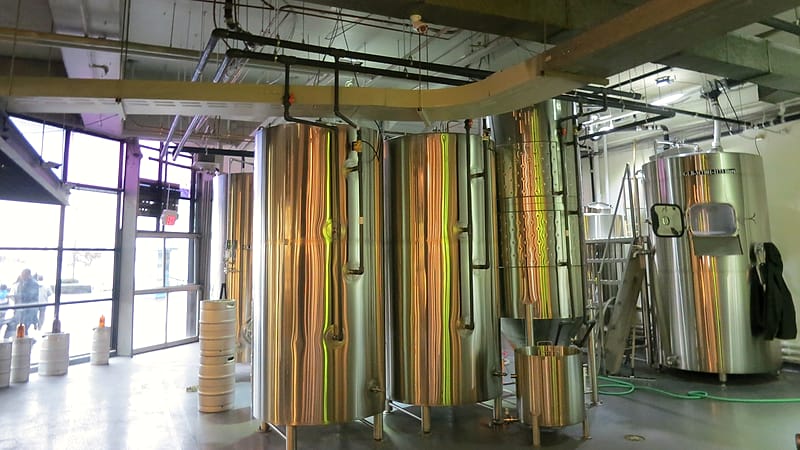
The first tier makes or imports. Distillers, wineries, breweries and importers sit here, and under federal law most of them hold the authorization described in the basic permit requirements and who they cover. The first tier generally may not sell to a consumer, and in most states may not sell to a retailer.
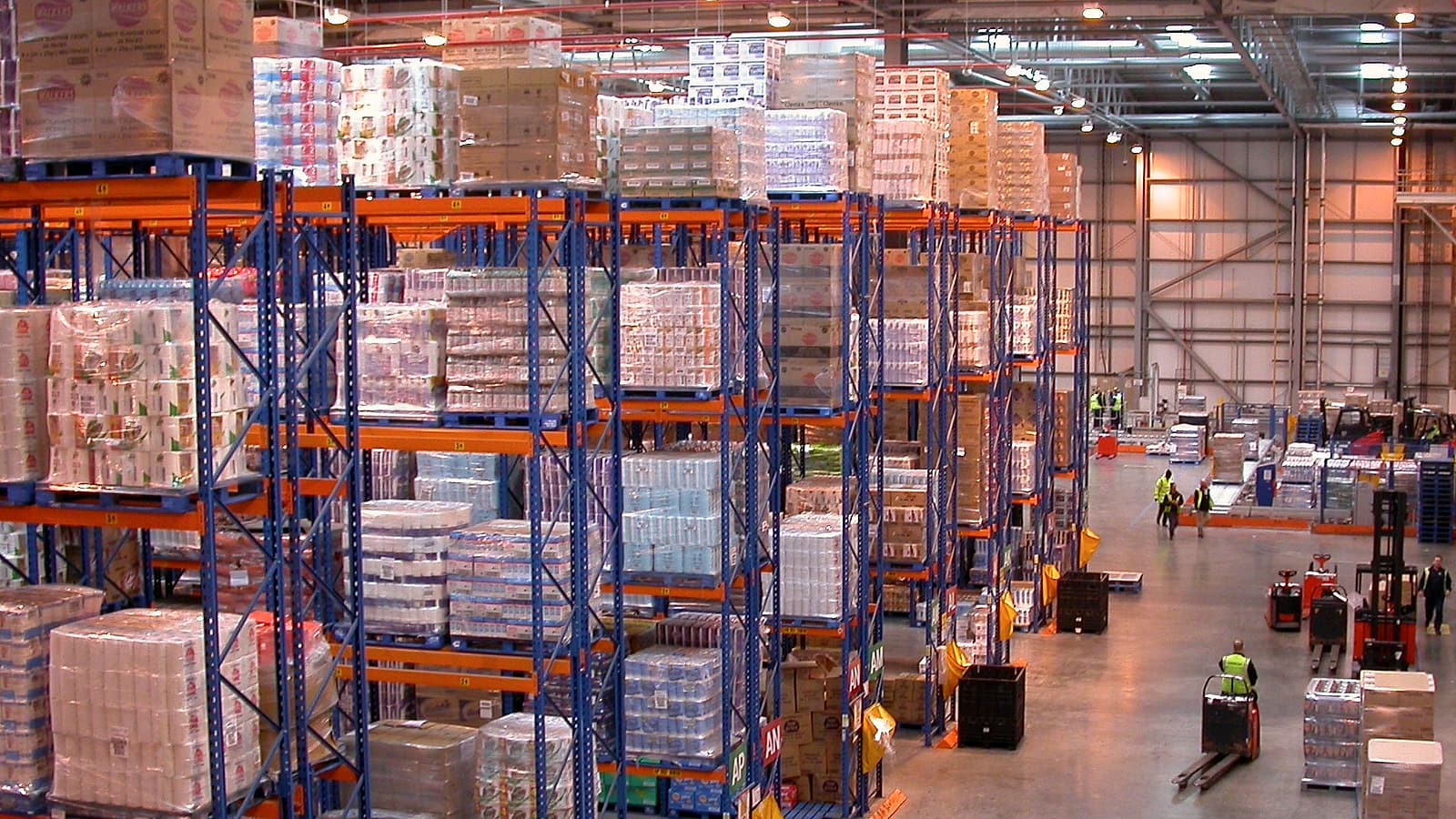
The second tier distributes. A wholesaler buys from producers and importers, holds inventory, and sells to licensed retailers within a state. The wholesaler is where state tax collection and product tracking are concentrated, which is a large part of why the tier exists.
The third tier sells to the public, under the licenses described in the comparison of on-premise and off-premise privileges. Retailers may buy only from licensed wholesalers in most states, and may not buy directly from a producer except where an exception applies.
The problem the structure was built to solve
Before national prohibition, producers commonly owned or financed the outlets that sold their product. A brewery would supply the premises, the equipment and the loan, and the outlet would sell that brewery's product exclusively. The arrangement was called a tied house, and it was blamed for aggressive promotion of consumption, for outlets operating under pressure to move volume, and for the disappearance of independent retail judgment.
When prohibition ended, the response was to separate the functions and to prohibit the inducements that had tied them together. Three purposes are usually given: preventing vertically integrated pressure on retailers, ensuring orderly collection of alcohol taxes at a chokepoint, and giving states a manageable structure through which to control distribution within their borders.
The structure also serves an accountability function that is easy to overlook. Because every unit passes through licensed hands, a regulator investigating a product can trace it, and a state can enforce its own rules against businesses physically present in the state rather than against distant suppliers.
Businesses often assume that tied-house rules bind only the supplier. They do not. A retailer that solicits or accepts a prohibited inducement is exposed under state law, and its license is the asset at risk. Because the retailer usually has less legal support than a national supplier, an arrangement that produces a modest federal issue for the supplier can produce a license suspension for the retailer. Both parties should evaluate a proposed arrangement, and neither should rely on the other's assessment.
Where the authority comes from
Two sources operate together. The Twenty-first Amendment gives states substantial authority over the transportation and importation of alcohol into their territory, and federal statutes including 27 U.S.C. 122 support state control over alcohol arriving there. State alcoholic beverage control statutes then build the licensing structure.
Federal law contributes the trade practice provisions of 27 U.S.C. 205, implemented in 27 CFR Parts 6 and 8. These prohibit an industry member from inducing a retailer to purchase to the exclusion of competitors through interests, inducements, exclusive outlet arrangements, commercial bribery or consignment sales. They are described in the prohibitions on interests and inducements between tiers.
| Tier | Who is in it | Federal authorization | Principal restriction |
|---|---|---|---|
| Producer and importer | Distilleries, wineries, breweries, importers | Basic permit or brewer's notice | Generally no sales to retailers or consumers |
| Wholesaler | Distributors buying for resale at wholesale | Basic permit as a wholesaler | May not sell to consumers |
| Retailer | Bars, restaurants, package stores, groceries | None under the federal permit statute | May buy only from licensed wholesalers |
| State agency in a control state | A public wholesale or retail operation | Not applicable | Displaces private participation in that tier |
| Producer with a retail exception | Tasting rooms, brewpubs, winery outlets | Underlying producer authorization | Volume caps and own-product limits |
Where the structure gives way
No state applies the structure without exceptions. Small producers are frequently allowed to self-distribute to retailers up to a volume cap. Tasting rooms and brewpubs allow first-tier businesses to sell at retail on their own premises. Winery and brewery outlets sometimes extend that privilege to additional locations.
Direct shipment to consumers is the largest departure. Where permitted, it allows a producer to sell to a household without passing through either of the other tiers, subject to a shipper permit, volume limits, reporting and tax remittance. The conditions are set out in the permit requirements and volume limits for interstate shipments.
What states may and may not do
State authority over alcohol is broad but not unlimited. Granholm held that a state may not permit in-state wineries to ship directly to consumers while forbidding out-of-state wineries to do the same, because the Twenty-first Amendment does not authorize discrimination against interstate commerce. Tennessee Wine applied comparable scrutiny to a durational residency requirement imposed on applicants for a retail license.
What survives is the structure itself. Courts have repeatedly described the three-tier system as a legitimate exercise of state authority, and the constitutional objection is directed at discriminatory conditions rather than at separation as such. A state may therefore require everyone to go through a wholesaler; what it may not do is make that requirement bite only on businesses from elsewhere. That distinction shapes almost every current dispute in the field, including the treatment of carriers and fulfillment operations that handle shipments.
Points to carry away
- The tiers are production or importation, wholesale distribution, and retail sale.
- Separation is maintained by licensing and by restrictions on cross-tier ownership.
- Federal trade practice law reinforces state separation through the tied-house provisions.
- Every state has created exceptions, including tasting rooms and small-producer self-distribution.
- Control states insert a public agency into the wholesale or retail tier.
- State rules may not discriminate against out-of-state producers in favor of in-state ones.
Questions readers ask
What is a control state?
A control state is one where a public agency occupies part of the distribution chain rather than merely licensing private businesses in it. The arrangement varies: some states operate the wholesale tier for distilled spirits, some operate retail stores, and some do both. Where the state operates a tier, private participation in it is limited or excluded, and product selection becomes an administrative decision rather than a commercial one. The remaining states are described as license states, where private businesses hold every tier under license.
Does the structure apply equally to beer, wine and spirits?
No, and the differences are substantial. Many states apply the strictest separation to distilled spirits, allow more flexibility for wine, and treat beer under a franchise regime that regulates the relationship between brewer and wholesaler rather than the fact of separation. Small-producer exceptions are also uneven, with self-distribution allowances that differ by beverage type and by production volume. A supplier operating across categories generally finds three different sets of rules in the same state.
Can a producer own a retail outlet?
Usually not in the general case, though the exceptions are wide enough to matter. Cross-tier ownership is the central prohibition of tied-house law, and holding an interest in a retailer is exactly what it targets. What states permit are carve-outs for a producer's own tasting room, brewpub or winery outlet, typically capped by volume and limited to product the licensee made. Acquiring an interest in an unrelated retail business remains prohibited in most jurisdictions.
Sources
- Cornell Legal Information Institute — 27 U.S.C. 205, Unfair Competition and Unlawful PracticesThe federal trade practice prohibitions that reinforce separation between tiers.
- Cornell Legal Information Institute — 27 U.S.C. 122, Shipments Into States for DeliveryFederal support for state authority over alcohol arriving within its borders.
- eCFR — 27 CFR Part 6, Tied-HouseThe federal rules on inducements, interests and the exceptions to them.
- eCFR — 27 CFR Part 8, Exclusive OutletsThe prohibition on requiring a retailer to purchase from one supplier.
- Cornell Legal Information Institute — 27 U.S.C. 203, Unlawful Businesses Without PermitThe federal permit categories that map onto the first two tiers.
- Alcohol and Tobacco Tax and Trade Bureau — Beverage AlcoholThe federal regulator's overview of the industry members it oversees.
Liberty Law Library is a publication, not a law firm. This article states general rules and cites its sources; it is not advice about any particular case, and the law differs by state and changes over time.
More in Alcohol Beverage Law

Direct Shipping to Consumers Across State Lines
Direct shipment to consumers is permitted by the receiving state, not by federal law, and typically requires a direct shipper permit issued by that state. Common conditions include volume caps per household, adult signature on delivery, marking of the shipping container, remittance of the state's excise and sales taxes, periodic reporting, and use of an approved carrier. Under Granholm a state may not allow in-state producers to ship while forbidding out-of-state producers from doing the same.

Tied-House Prohibitions and the Exceptions
Section 205(b) of Title 27 makes it unlawful for an industry member to induce a retailer to purchase its products to the exclusion, in whole or in part, of competing products, by acquiring an interest in the retailer, by furnishing things of value, by paying for advertising or display service, by guaranteeing a loan, by extending credit beyond the prescribed period, or by requiring the retailer to take a quota. Part 6 of 27 CFR implements the prohibition and lists the exceptions.
Who Must Hold a Federal Alcohol Permit
Under 27 U.S.C. 203 and 27 CFR Part 1, no person may engage in the business of importing beverage alcohol, producing or rectifying distilled spirits or wine, or purchasing beverage alcohol for resale at wholesale, except pursuant to a basic permit. Section 1.24 sets the qualifications: no disqualifying conviction, enough business experience, financial standing or trade connections to begin and maintain operations, and proposed operations that do not violate state law.